Training
Is Your Heart Helping You Recover From Stress, or Holding You Back?
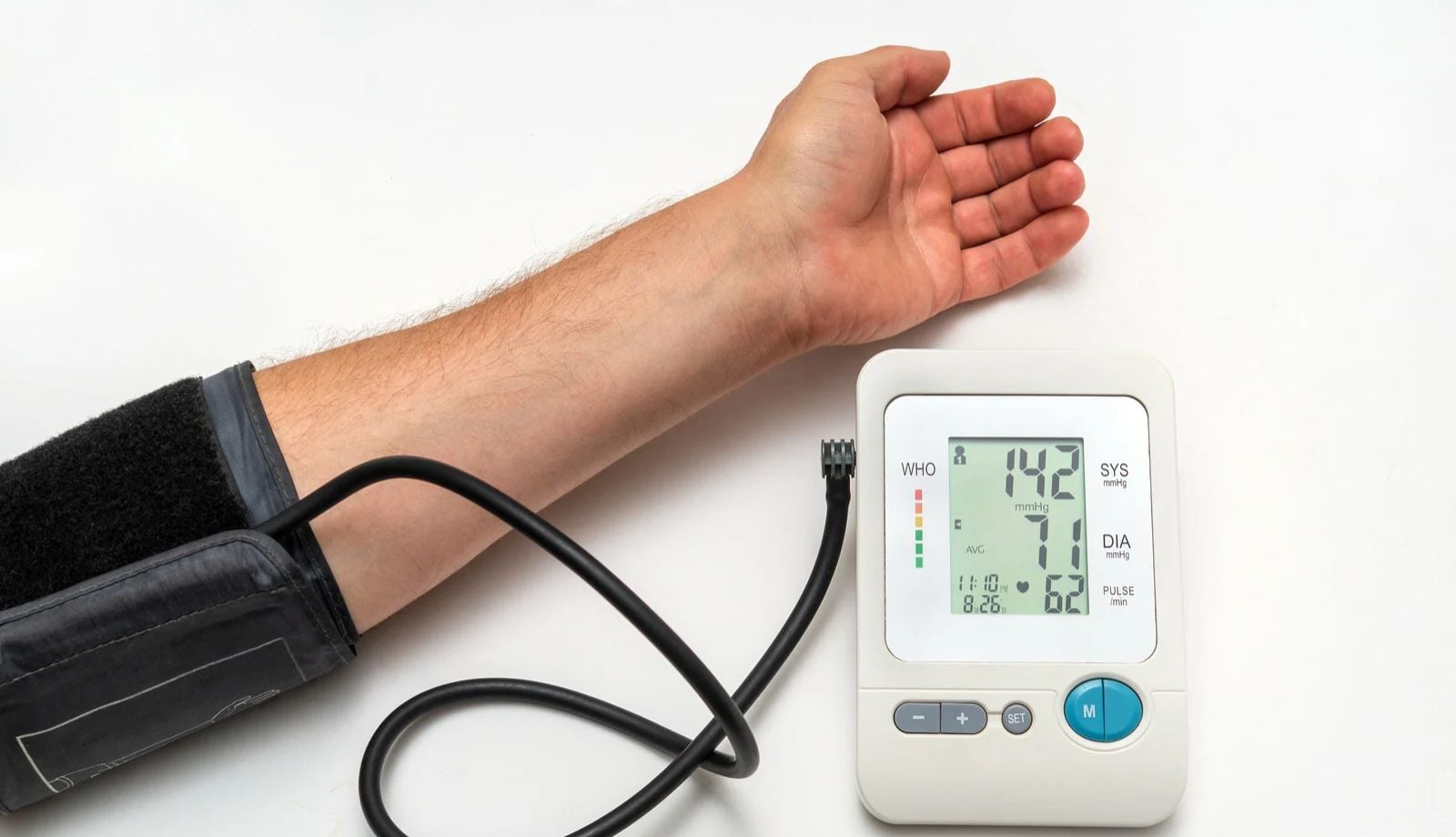 If your resting heart rate sits above 70 beats per minute day after day, your heart may not be built to recover from the stress you put it through. A “normal” range runs from 60 to 100, but a consistently higher number often points to a body that spends too much time in fight-or-flight and not enough in recovery.
For high-stress professionals (the executive juggling back-to-back meetings, the attorney on deadline, the founder who never fully switches off), this matters more than most people realize. Your career asks for sustained output. Your body needs a way to come back down afterward. A strong aerobic base is that way back.
At Austin Simply Fit, we believe that if your foundational health metrics are outside of a certain range, jumping into an intense fitness regimen can do more harm than good. We don’t guess with your health – we assess. In our initial Structural Balance Assessment, we check your blood pressure and resting heart rate to establish a baseline and understand your primary needs. If your markers are off, we have a program to help you build a strong aerobic base to get those metrics within a healthier range. And as we know, health drives performance.
What a Strong Aerobic Base Actually Does
We all know aerobic training as a way to burn calories. But for people under chronic stress, it is an important recovery tool for the brain and the heart. Three adaptations do most of the work.
- It raises parasympathetic tone. Your autonomic nervous system has two gears: the sympathetic “go” response and the parasympathetic “rest and recover” response. Regular low-intensity aerobic work strengthens the parasympathetic side, which helps your brain shift out of fight-or-flight and into deep recovery. You can see it in a higher heart rate variability (HRV) and in a heart rate that drops faster after effort.
- It builds heart structure. Sustained, low-intensity aerobic work reshapes the heart over time. The left ventricle expands eccentrically, meaning the chamber itself gets larger, so more blood fills it on every beat. With a bigger fill per beat, your heart can deliver the same output with fewer beats. The result is a lower resting heart rate and, for many people, lower blood pressure.
- It replenishes energy. Aerobic training increases the number and efficiency of the mitochondria in your muscles, improving how well you use carbohydrates and fats to produce energy. A stronger aerobic system helps replenish ATP (energy) between sets, and supports recovery between training days and between the stressful weeks that don’t let up.
None of this happens overnight. Autonomic changes can show up within weeks, while structural changes to the heart build over months of consistent work. That is why the base has to be built on purpose, not guessed at.
How We Train It: The Conditioning Block
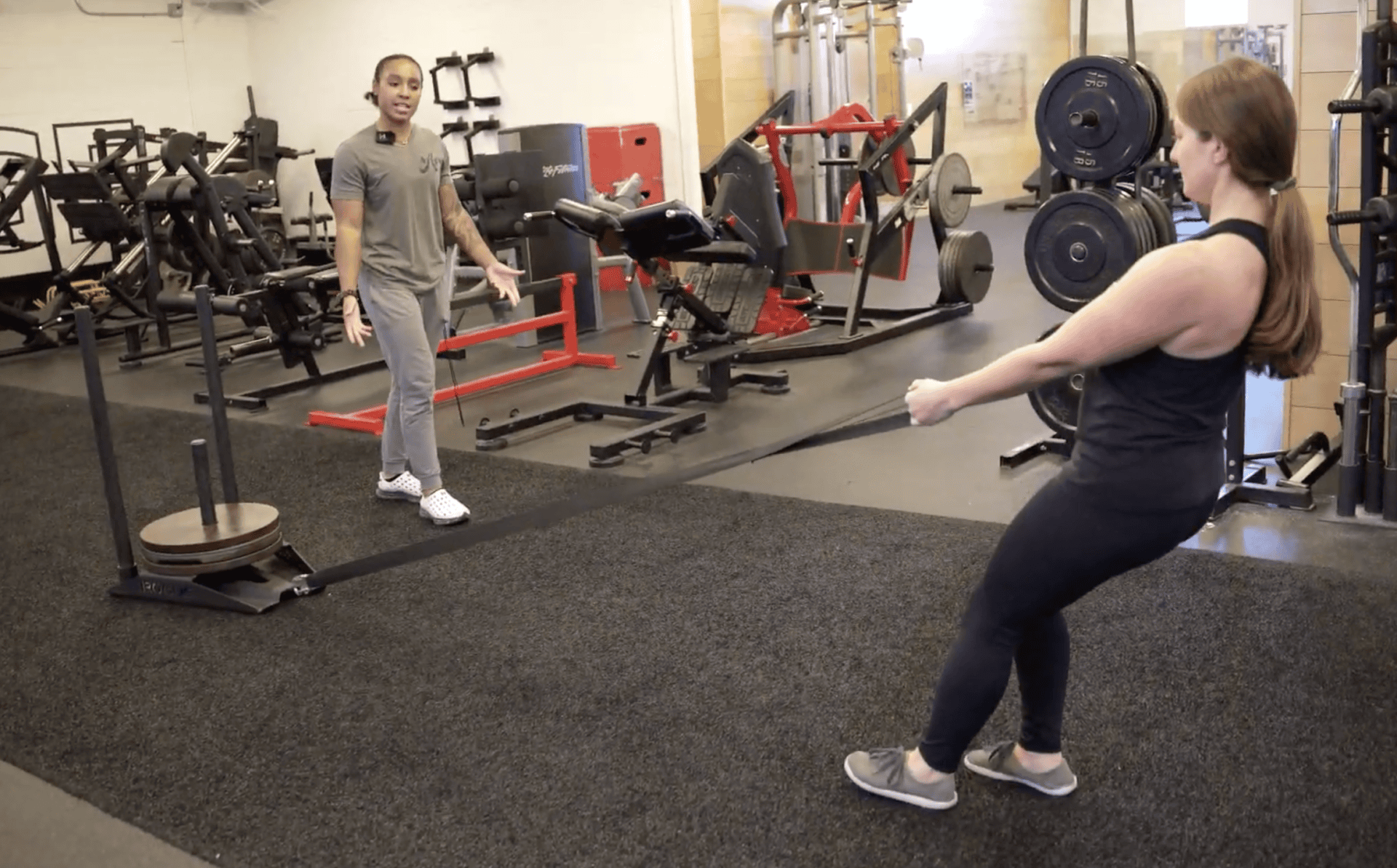 If you are a new client who needs to make improvements in your blood pressure and heart rate, we have a program for you! In the gym, we will focus on higher reps at a lower intensity in order to grow your aerobic base. During this time, you will be building your skills and improving movement quality while building your aerobic system. Because the intensity is low, the adaptations come from volume: a lot of sub-maximal, consistent time in the right heart rate zone.
Step 1: Find your zone
We estimate your maximum heart rate with the Tanaka formula: 208 minus (0.7 × your age). For a 45-year-old, that is 208 minus 31.5, or about 177 beats per minute. Zone 2 is 60 to 70 percent of that number: 177 × 0.6 = 106 and 177 × 0.7 = 124, so the Zone 2 range is 106 to 124 bpm.
| Zone | % of Max Heart Rate | Effort (Rating of Perceived Exertion) |
| Zone 1 | 50-60% | Very light |
| Zone 2 | 60-70% | Light |
| Zone 3 | 70-80% | Moderate |
| Zone 4 | 80-90% | Hard |
| Zone 5 | 90-100% | Maximal |
Aerobic work is low intensity by design. The hardest you can go before the anaerobic system takes over is roughly 63 to 65% of VO2 max, which is about 70 to 73% of max heart rate. In practice, we keep most clients under about 120 to 130 bpm. No heart rate monitor? Walk at a pace where you can breathe through your nose and hold a conversation.
Step 2: Build the volume
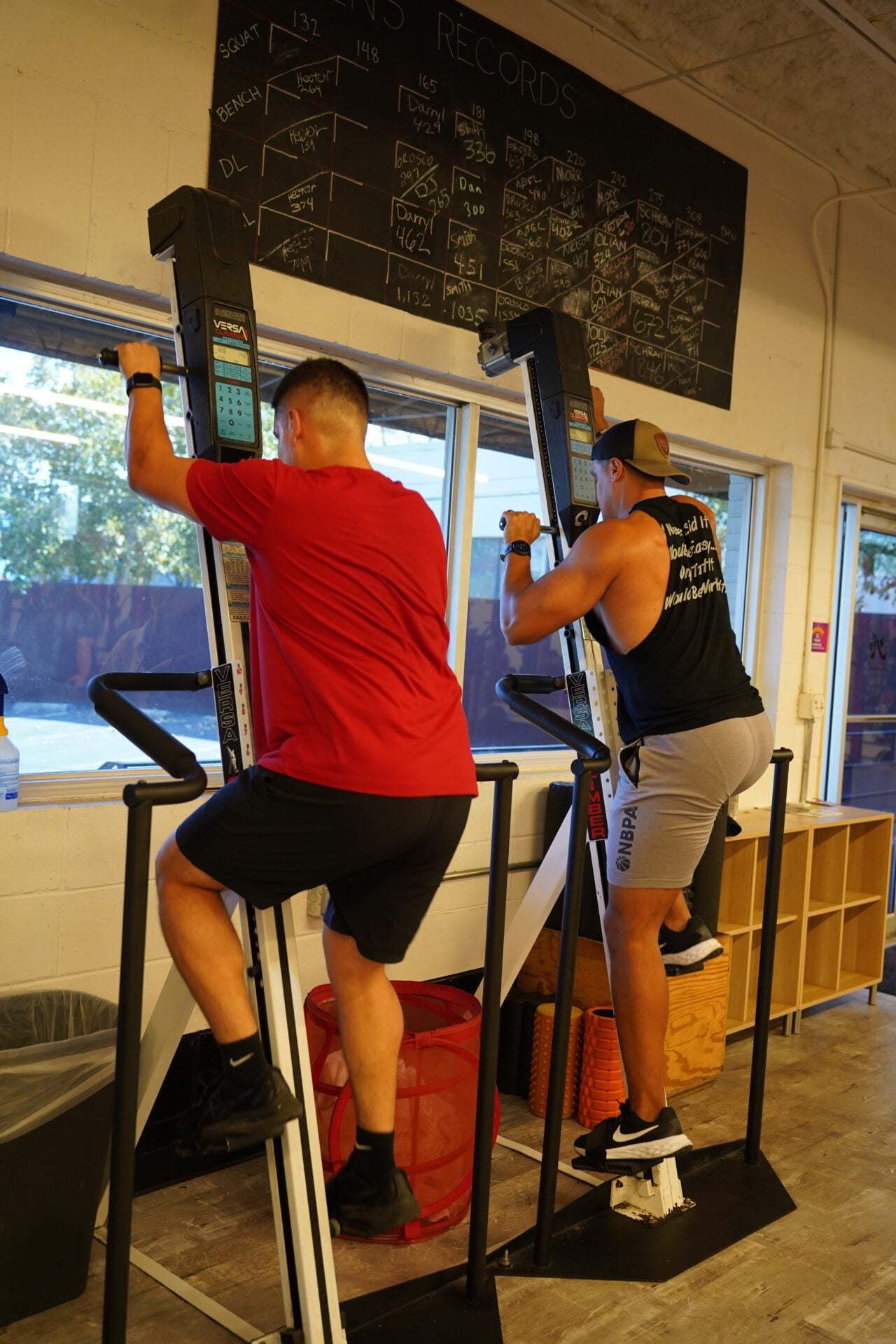
Alongside your training at ASF, we will encourage you to follow our aerobic protocol outside of the gym. This aspect of your training is focused on building up your conditioning and endurance by maintaining a Zone 2 heart rate in 4-5 bouts each week, for increasing lengths of time. Your coach will help you create a plan that works with your lifestyle and will check in to keep you accountable.
Step 3: Watch for the signs it’s working
- Your waking resting heart rate settles around the 55 to 62 bpm range.
- Your blood pressure comes down, which many clients see within 5 to 12 weeks.
- Your aerobic conditioning improves, usually around weeks 4 to 6.
Let’s Build Your Aerobic Recovery Engine
Your corporate career demands results, and your training should deliver them too. A strong aerobic base gives you a heart that can recover from whatever the week throws at you, along with a calmer nervous system and more energy at the end of the day.
Book a consultation and structural balance assessment with an ASF coach today. We will assess where you are now, set your heart rate zones, create a program to help you reach your strength goals, and build a conditioning plan that works with your schedule.
Let’s build your lifetime strength.
If you have a heart condition, take medication that affects heart rate, or have not exercised in a long time, talk with your doctor before starting any new exercise program.