Training
What an Ancient Greek Legend Teaches Us About Modern Gym Progress
“Milo of Croton carried a newborn calf on his shoulders every day. As the calf grew into a bull, Milo became a giant.”
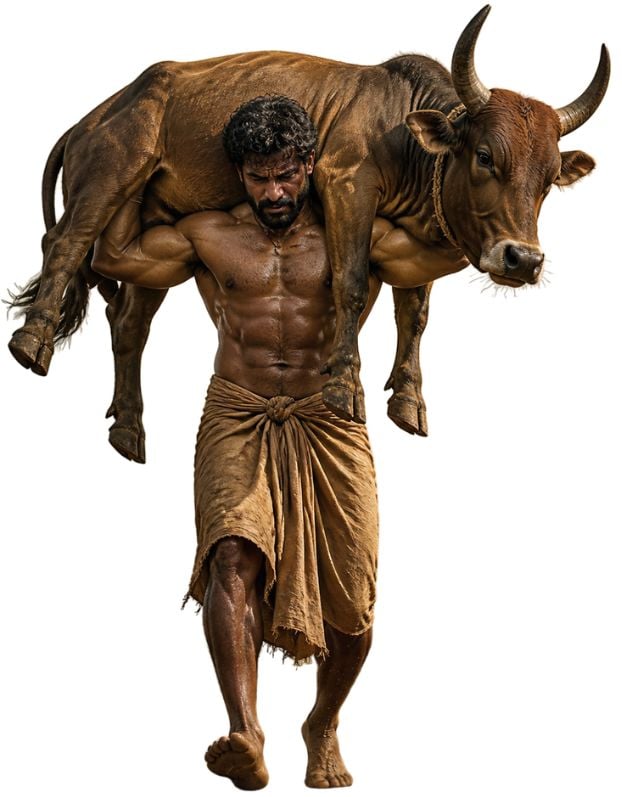
Milo of Croton was a famous wrestler in ancient Greece, and the story of his training has lasted more than 2,000 years. Whether or not every detail is true, the lesson holds up in the gym today. Milo and the Calf: the oldest strength secret in history.
The Legend
Milo didn’t try to lift a bull on day one. He picked up a newborn calf and carried it. The next day, the calf was a tiny bit heavier. And heavier still the day after that. Milo never faced one impossible challenge. He faced a small, manageable step up, again and again, until the calf became a bull and he became a giant.
That is progressive overload, and real progress is built on it: consistent, gradual increases in what you ask of your body.
The Science: Progressive Overload and the SAID Principle
Progressive overload means gradually increasing the demand on your muscles over time. This can mean more weight, more reps, more sets, slower tempo, or shorter rest. Your body only has a reason to get stronger when it is asked to do something it hasn’t done before.
The second piece is the SAID principle, short for Specific Adaptations to Imposed Demands. It says your body adapts specifically to the physical demands placed on it. Train heavy squats and you get better at heavy squats. Train randomly and you get random, unfocused results. The demand you impose determines the adaptation you get.
Progressive Overload in Action: The Power of 2.5 Pounds
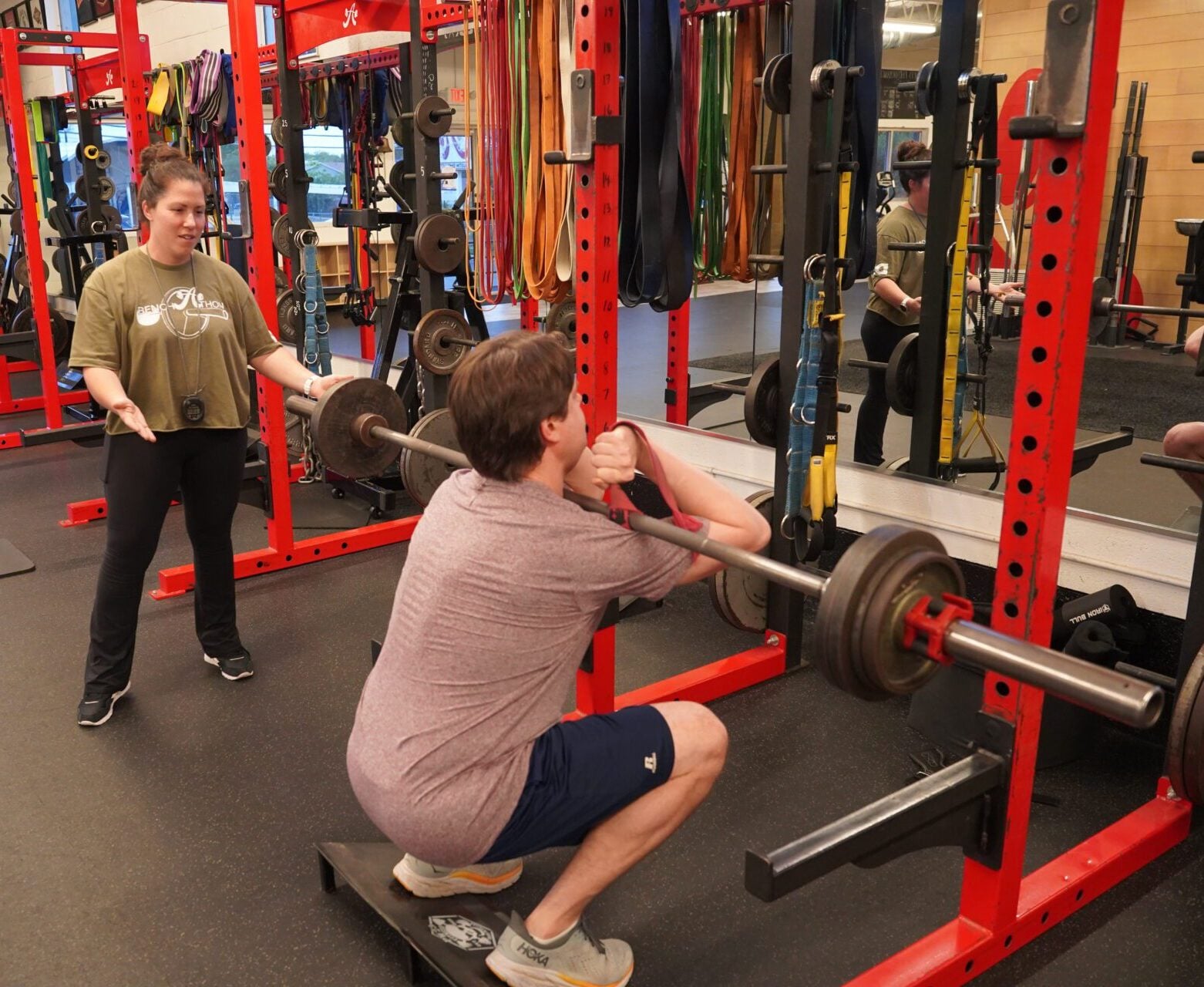 It’s easy to dismiss small jumps, so let’s look at the numbers. Say you squat 135 lb for 3 sets of 10 reps.
Week 1: 135 lb × 10 reps × 3 sets = 4,050 lb lifted in the session.
Next week, you slide a 2.5 lb plate onto each side of the bar. That’s only 5 lb more in total, bringing the bar to 140 lb.
Week 2: 140 lb × 10 reps × 3 sets = 4,200 lb lifted in the session.
That’s 150 more pounds moved in a single workout, from one tiny plate on each side. Your muscles, tendons, and nervous system now face a demand they’ve never handled before, which is exactly what the SAID principle says drives adaptation.
The effect builds from there. Keep adding 2.5 lb per side every couple of weeks, and four jumps later you’re squatting 155 lb:
155 lb × 10 reps × 3 sets = 4,650 lb per session, which is 600 lb more than where you started.
Nothing about any single jump feels dramatic. Milo’s calf didn’t feel dramatic either. But a few small, consistent steps add up to a much stronger you.
How We Apply It at ASF
Milo had a calf. You have a plan. In your Austin Simply Fit program, we track every set, rep, and tempo so the stimulus is always balanced: enough challenge to drive adaptation, not so much that you stall or get hurt.
No random workouts. No wasted efforts. Every session is a planned step up the ladder.
Ready to Carry Your Own Bull?
Whether you train at our Central location (Burnet Rd.) or our South location (S Lamar Blvd.), our trainers will help you build a program that makes every session count. Click here to book your free consultation and structural balance assessment.